

Trenchless and Infrastructure
Horizontal Directional Drilling (HDD) is the most widely used trenchless technique. HDD combines the controlled steering and downhole technologies of oil and gas directional drilling with the installation practices of conventional boring. Today, it is a preferred method for installing oil, water, natural gas, and wastewater pipelines, along with power, telecom, and fiber-optic conduits. Its value lies in its ability to place critical infrastructure underground without traditional trenching, reducing environmental impact, improving public safety, and enabling construction in areas where excavation is impractical or restricted.
Specialized Expertise for HDD
TSC’s trenchless and infrastructure products are delivered through a dedicated division of Texas Steel Conversion, Inc. that focuses exclusively on the needs of the horizontal directional drilling market. This specialized group, TSC HDD, brings the same engineering discipline, metallurgical control, and manufacturing rigor that define our oilfield products.
Products:
Drill Pipe Size: 3 ½" to 7 ⅝"
Connections: Standard API and Premium Connections
Grades: E, X, G, and S
Sour service and non-standard wall thickness available by request
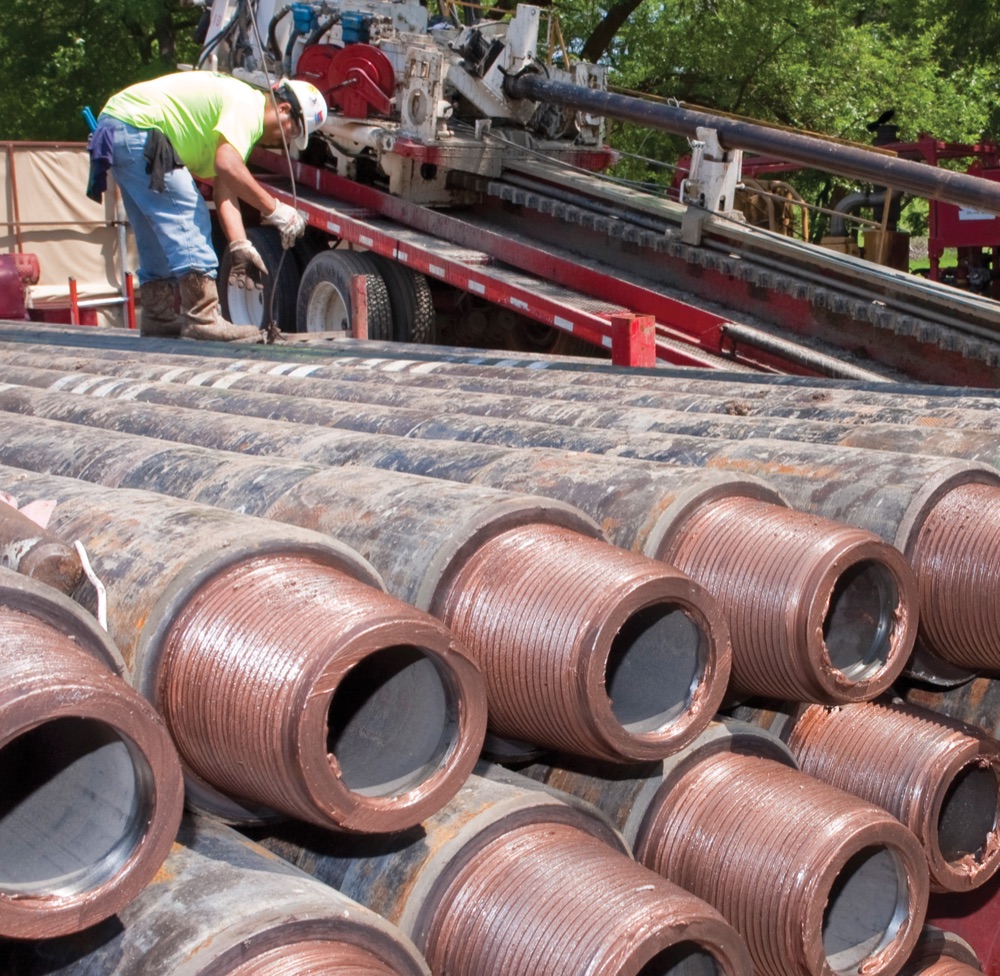
Proven in the Field: World Record Performance
TSC HDD drill pipe was used to set a world record in the United Kingdom using 7-5/8" drill pipe, demonstrating exceptional strength, durability, and fatigue resistance on one of the most challenging HDD installations ever completed. This achievement underscores the engineering integrity behind every joint we manufacture.
We Equip the Industry with the Pipe to Power Every Trenchless Project

From municipal utility upgrades to major pipeline crossings, TSC’s specialized HDD division equips contractors with drill pipe engineered for the full spectrum of trenchless challenges.
Reach out to an HDD Drill Pipe Expert

Global Network of Service & Repair Centers

FAST DELIVERY

24/7 SUPPORT