TSC™
WHEN VERSATILITY MATTERS
Today's drilling programs demand versatility, and the TSC™ (Texas Steel Compatible) connection series delivers. Tested and proven to be interchangeable with select rotary shoulder connection designs, it integrates seamlessly into existing workflows and inventory strategies – giving operators added flexibility without changing established practices.
Built the TSC way, the rotary drill pipe provides the strength, consistency, and reliability operators expect from a drill pipe supplier held to our elevated manufacturing standards.
SLIM-HOLE DESIGN
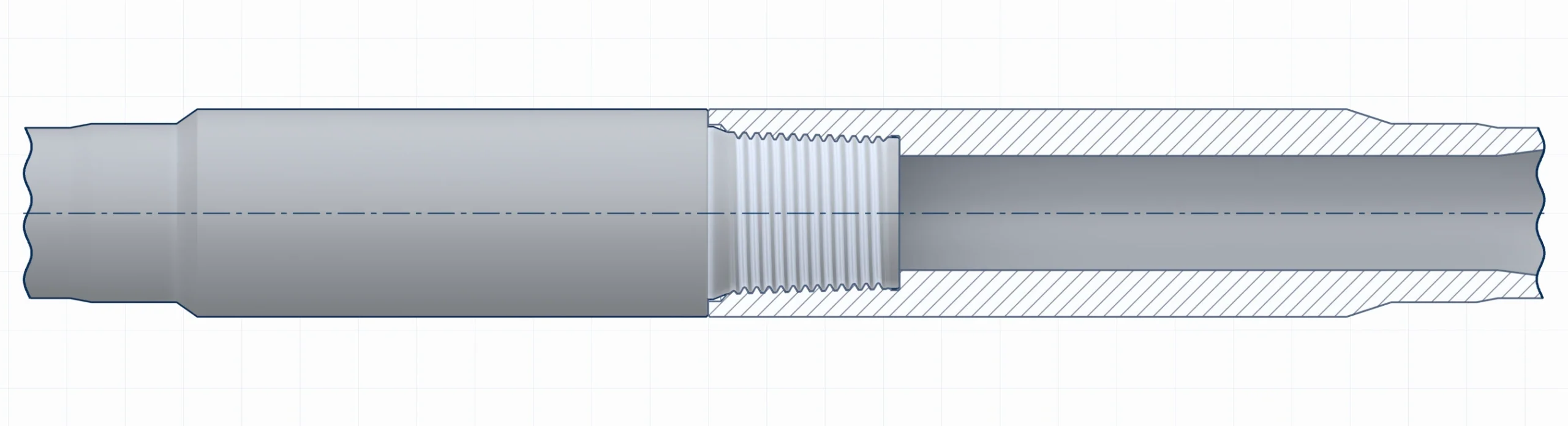
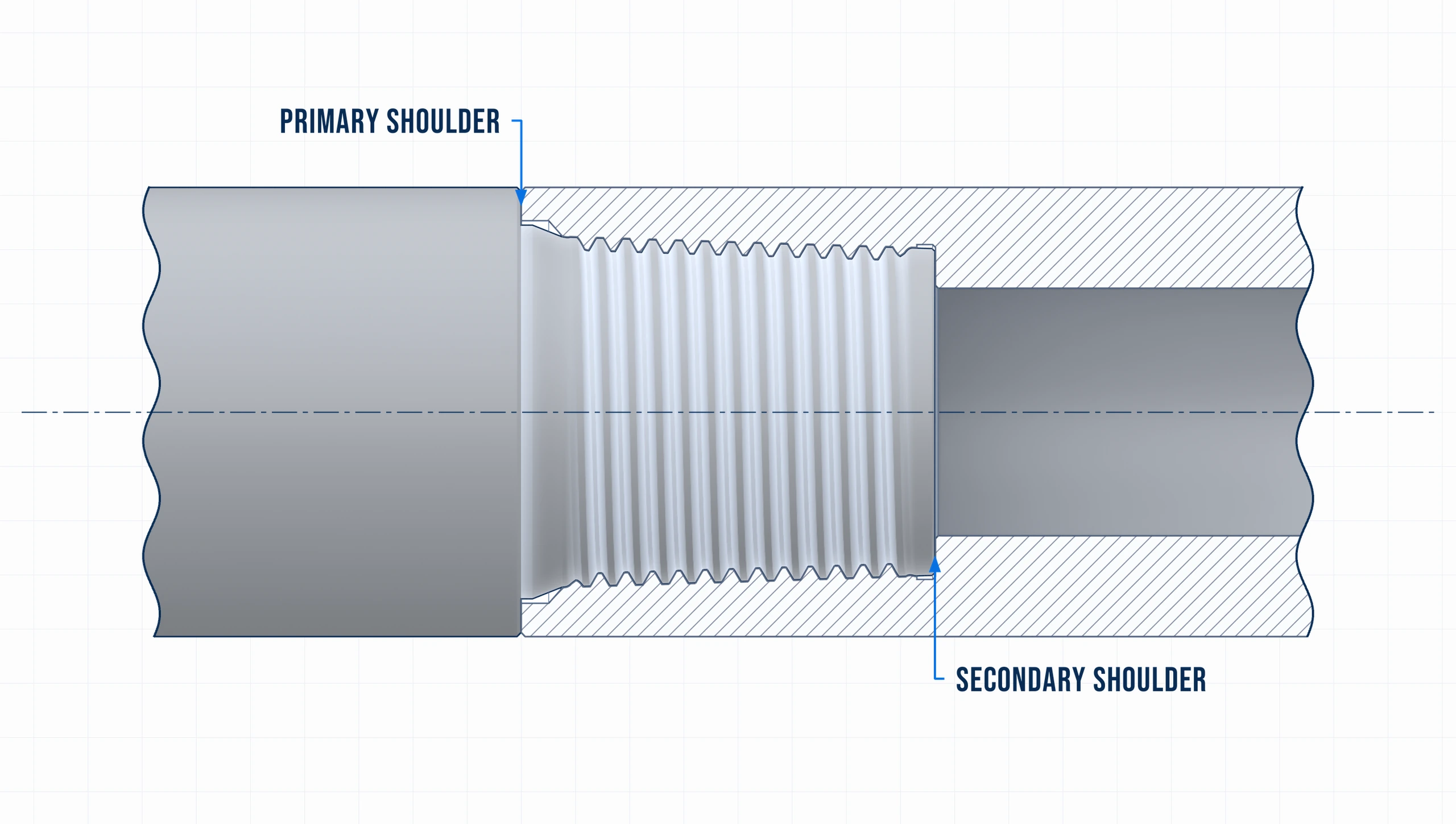
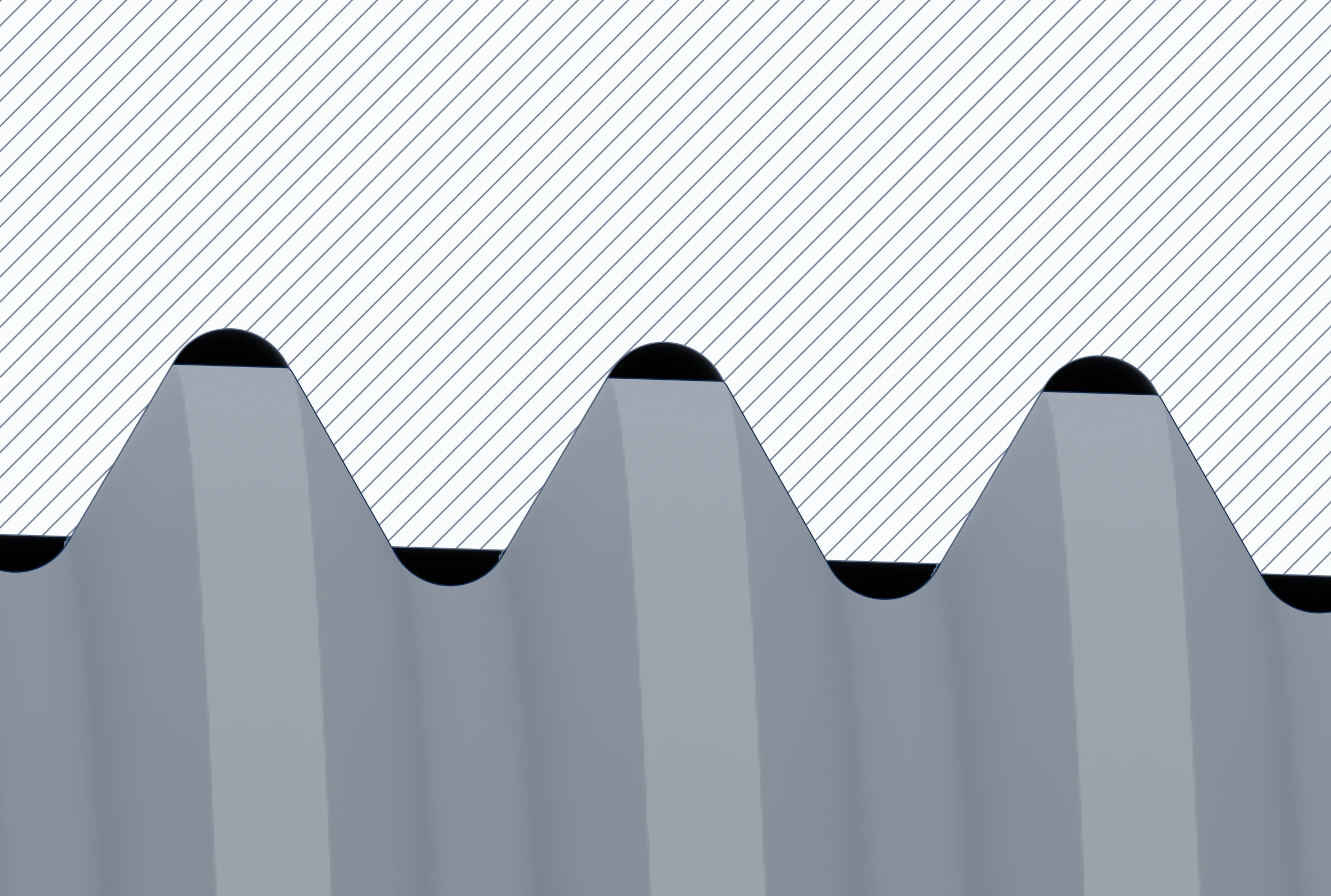
Slim-hole thread connections are designed to deliver higher torque within a reduced diameter. This connection is more than a scaled-down version of a standard connection. It provides full-scale performance in constrained wellbores, enabling smaller hole sizes that lower fluid volumes and reduce casing requirements. Slim-hole rotary shoulder connection designs make these efficiencies possible without compromising structural integrity.
SEAMLESS INTEGRATION
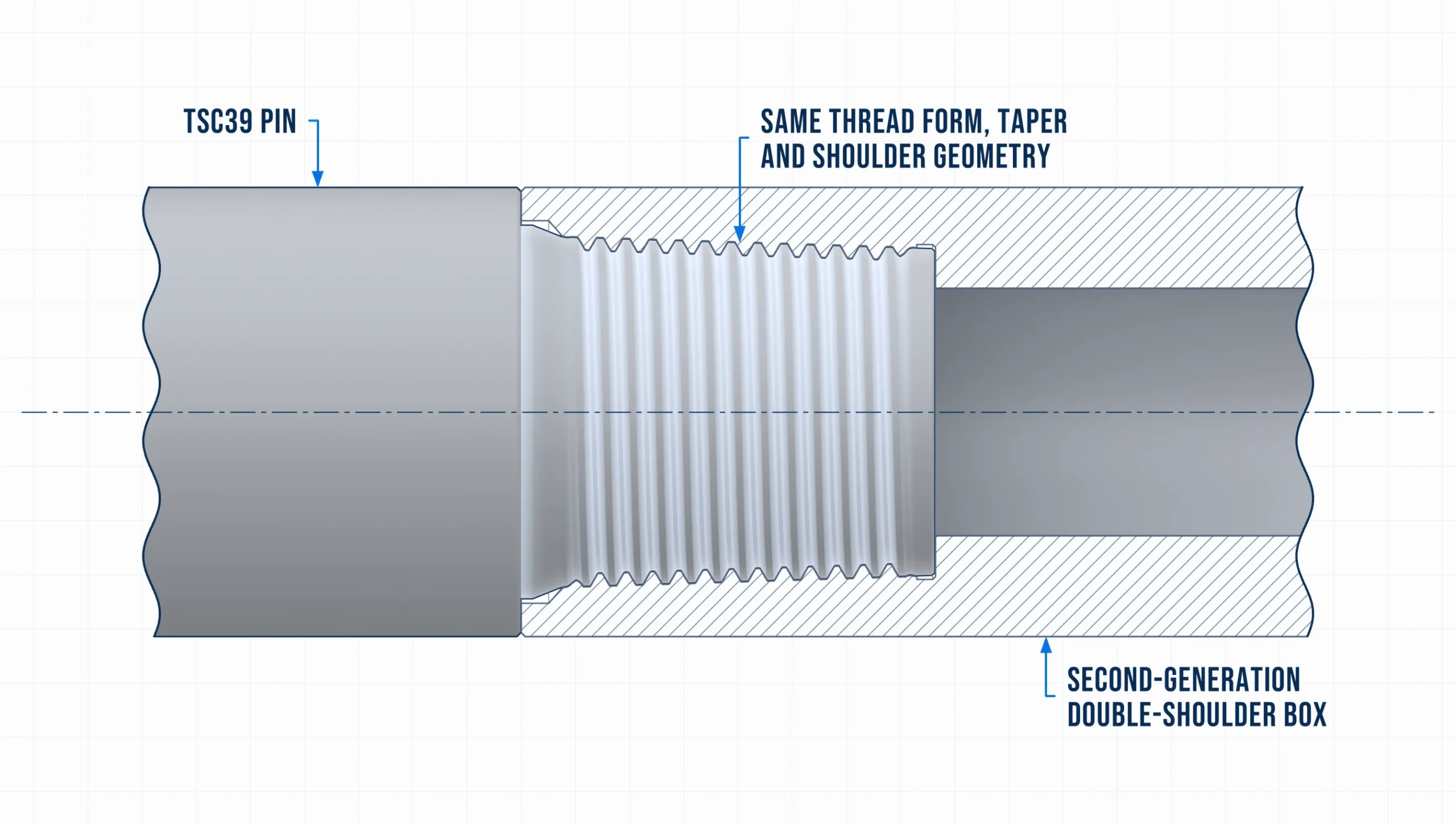
One of the defining advantages of the TSC™ Connection is its full compatibility with other second-generation rotary-shouldered connections on the market. Independently tested and verified, this compatibility gives operators the freedom to integrate TSC's unmatched manufacturing quality and expansive licensee network into their existing string design without reengineering their drilling program. The result is operational flexibility, reduced planning friction, and confidence that every rotary shoulder connection will perform as expected.
- Independently verified and tested to be fully compatible with other 2nd gen rotary-shoulder connections.
- Higher torque than standard API connections.
- Slim-hole design.
TSC™ VS. STANDARD API
| FEATURE | TSC™ | STANDARD API |
|---|---|---|
| Torque capacity | Higher | Baseline |
| 2nd-gen compatibility | Yes (verified) | - |
| Hole size | Slim-hole option | Standard |
| Integration | Drop-in, no reengineering | - |
| Manufacturing quality | TSC raw-material standard | Varies |
FLEET COMPATIBLE
The TSC™ Connection Series delivers solid durability and broad compatibility, making it a dependable choice for operators who prioritize reliable performance and seamless interchangeability across their rotary drill pipe fleet. This is especially useful for operations that mix pipe from multiple sources or rotate assets between projects. With solid, reliable performance in vertical wells and moderate-build directional work, it's a rotary shoulder connection built for programs that prioritize consistency and operational flexibility.
GLOBAL SERVICE NETWORK
TSC supports your operation with a worldwide network of licensed service and repair centers. Less downtime. Longer pipe life. Lower Cost of ownership. Delivered anywhere you drill, from a single drill pipe supplier.

FIELD INSPECTION RESOURCES
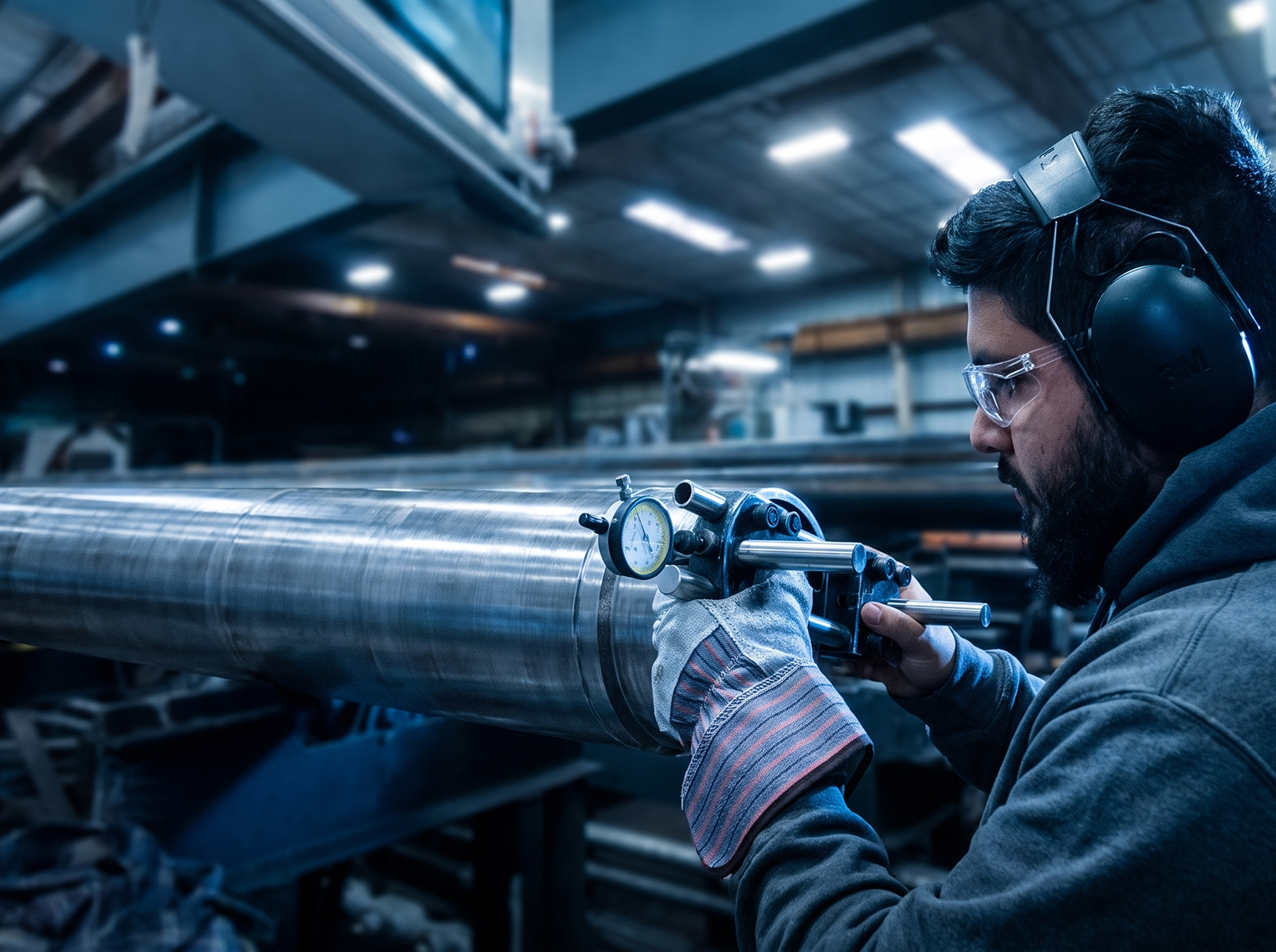
Access TSC™ field inspection technical documents to maintain peak performance in the field. Box and pin thread drawings, inspection dimensions, and make-up specifications, all in one technical hub.
Frequently Asked Questions
What is a rotary shoulder connection?
It is the threaded joint that ties one length of drill pipe to the next. The shoulder, not the thread, carries the make-up torque and forms the pressure seal, which is why shoulder condition drives both torque capacity and connection life. Every joint of rotary drill pipe in a string depends on these joints to transmit rotation and weight down to the bit, so thread form, shoulder condition, and make-up torque all have to be controlled together.
Is the TSC™ connection compatible with other second-generation connections?
Yes. The TSC™ series has been independently tested and verified as interchangeable with select second-generation rotary shoulder connection designs already running in the field. Operators can add TSC™ joints to an existing string without redesigning the program or standardizing on a single drill pipe supplier. That is what makes the series practical for fleets assembled from several sources over time.
When does a slim-hole connection make sense?
Slim-hole geometry fits programs where hole size is constrained but torque demand is not. Because the rotary shoulder connection carries full-scale torque in a reduced outside diameter, operators can run smaller hole sizes, cut fluid volumes, and reduce casing requirements without giving up structural integrity. It is the practical choice when the wellbore, not the torque curve, is the limiting factor.
What types of wells is the TSC™ series best suited for?
The TSC™ series is built for vertical wells and moderate-build directional work, where consistency and interchangeability matter more than the extreme torque capacity of a premium rotary shoulder connection. It is also a practical fit for fleets that rotate rotary drill pipe between projects or mix joints from several suppliers on the same string.
Where can TSC™ connections be inspected, recut, or repaired?
TSC maintains a worldwide network of licensed service and repair centers qualified to inspect and recut TSC™ threads to specification. Field inspection drawings, inspection dimensions, and make-up specifications are published in the technical hub so your inspectors can verify each rotary shoulder connection on site before it goes back in the string.
DESIGN YOUR TSC™ SOLUTION
Proven compatibility, built the TSC™ way. Configure your spec or talk to a TSC™ rotary shoulder connection expert.